Skip to content
Hypershade

Home window film

Residential Window Film
for Colorado Homes

Hypershade installs residential window film throughout Castle Rock, Parker, and Douglas County. Film treats the glass itself — cutting heat and glare, blocking 99% of UV, and adding daytime privacy — so hot rooms become usable again without covering the view you bought the house for. Every installation is backed by a lifetime warranty.

Monday – Friday, 8:00am – 6:00pm · Installed on site · GeoShield nano-ceramic film

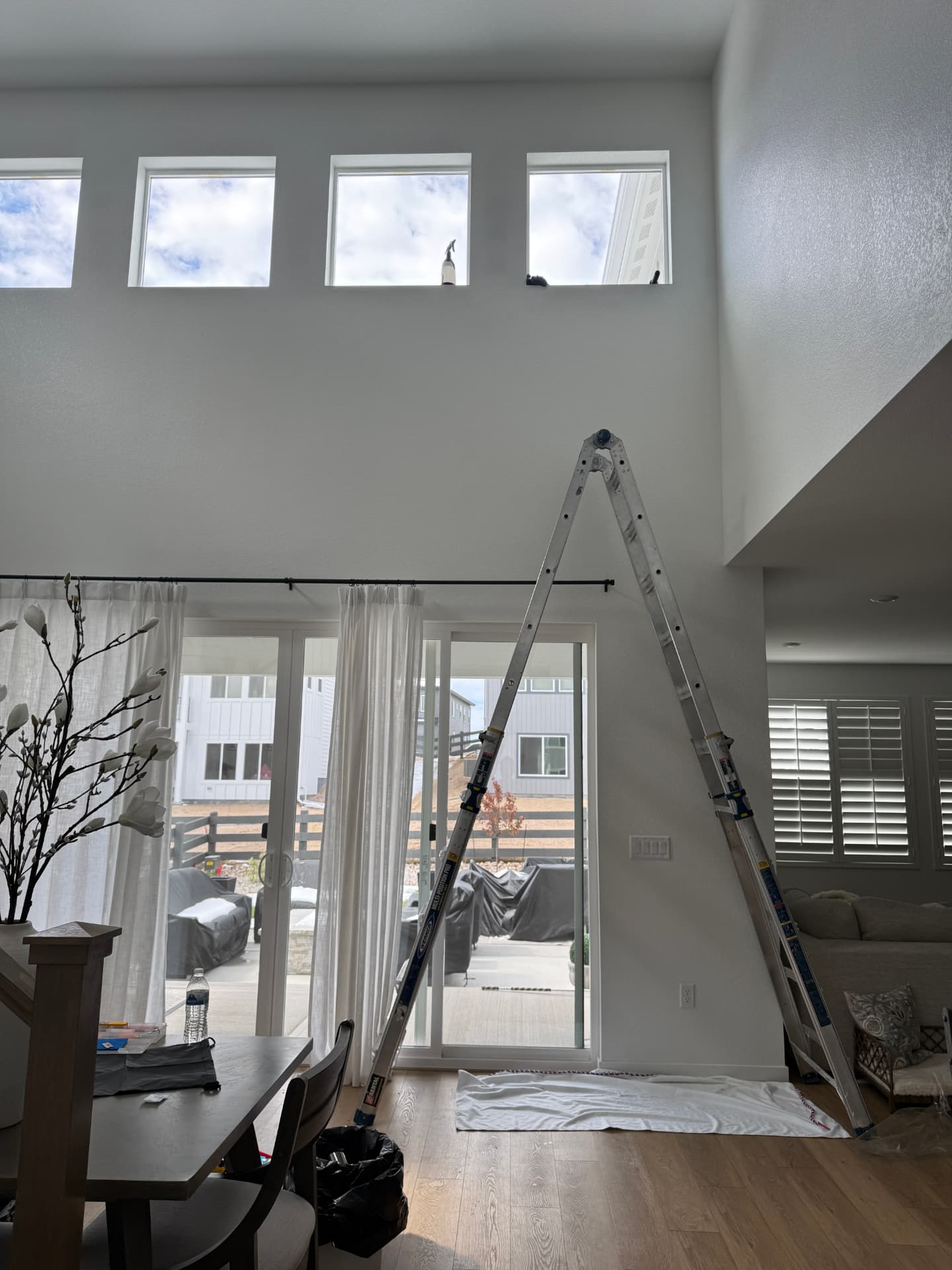
Two-story Colorado great room with clerestory windows getting architectural window film installed

4.9★ Google Rating

Reviewed by local drivers & homeowners

Lifetime Warranty

Every installation is backed for life

Ceramic-Only Film

Premium GeoShield nano-ceramic film

Castle Rock, Colorado

A dedicated, controlled install shop

Problem / solution

What Homeowners Call Us About

If one of these describes a room in your house, window film is usually the shortest path to fixing it.

One room is always hotter than the rest of the house
Solar control film applied to the glass in that room reduces the heat coming through it, which evens out temperatures without touching your HVAC.
West-facing windows are unusable from 3pm on
West glass takes the hardest low-angle afternoon sun in Colorado. A heat-reduction film on those windows keeps the room livable at the exact hours it isn't now.
Glare on the TV and screens
Glare-reduction film cuts the reflected brightness coming off big glass so you can leave the blinds open and still see the screen.
Floors, rugs, and furniture are fading
Window film blocks 99% of UV, the largest single contributor to fading. It slows fading dramatically on hardwood, rugs, leather, and artwork.
Neighbors can see straight in
A reflective or dark privacy film gives strong daytime privacy while you keep your view out. Frosted film is the option for bathrooms and sidelights that need privacy day and night.
Floor-to-ceiling glass and sliding doors
Large glass walls, patio sliders, and sunrooms are where film does the most work — the more glass, the more heat and UV there is to control.
Blinds solve it, but block the view
Film works with the glass instead of covering it, so you keep the view and the daylight you paid for when you bought the house.

Film types

Choosing the Right Home Film

Different problems call for different film. We recommend based on the room, the orientation of the glass, and what bothers you about it — not on what's easiest to install.

Solar Control Film

The workhorse for hot rooms. Rejects a large share of solar energy through the glass while staying visually neutral, so the room stays bright and the view stays intact.

Best for

West- and south-facing living rooms, kitchens, sunrooms

Heat Reduction Ceramic Film

Nano-ceramic construction for maximum heat rejection with high clarity and no metallic mirror look. Non-metallic, so nothing changes about wifi or signal in the house.

Best for

Great rooms, glass walls, whole-home projects

UV Protection Film

Blocks 99% of UV — the main cause of fading in hardwood, rugs, leather, cabinetry, and artwork. Available in nearly invisible options for homeowners who want zero appearance change.

Best for

Rooms with hardwood, art, or expensive finishes

Glare Reduction Film

Cuts the reflected brightness coming through large glass so screens are readable and you can leave the blinds open all afternoon.

Best for

Home offices, media rooms, kitchens with screens

Privacy & Reflective Film

Strong daytime privacy from outside while you keep your view out. Ideal on street-facing and neighbor-facing glass on tight lots.

Best for

Front elevations, walkout basements, ground-floor bedrooms

Frosted & Decorative Film

Round-the-clock privacy and a designed look. Used on bathrooms, entry sidelights, glass partitions, and shower glass.

Best for

Bathrooms, sidelights, interior glass

Security Film

A thicker glass-retention film that holds broken glass together, slowing forced entry and reducing flying glass in a storm.

Best for

Patio doors, ground-floor windows, basement glass

Benefits

What Changes
After Installation

Most homeowners notice the temperature difference first and the glare difference second.

  • Heat Reduction

    Take the edge off rooms that overheat in direct sun.

  • UV Protection

    Help protect floors, furniture, and art from fading.

  • Glare Reduction

    Make screens and living spaces comfortable again.

  • Daytime Privacy

    Reduce visibility inside without giving up your view out.

  • Interior Protection

    Shield finishes from long-term sun exposure.

  • Energy Savings

    Reduce heat gain through large glass areas.

  • Security Film Options

    Added glass retention for homes and storefronts.

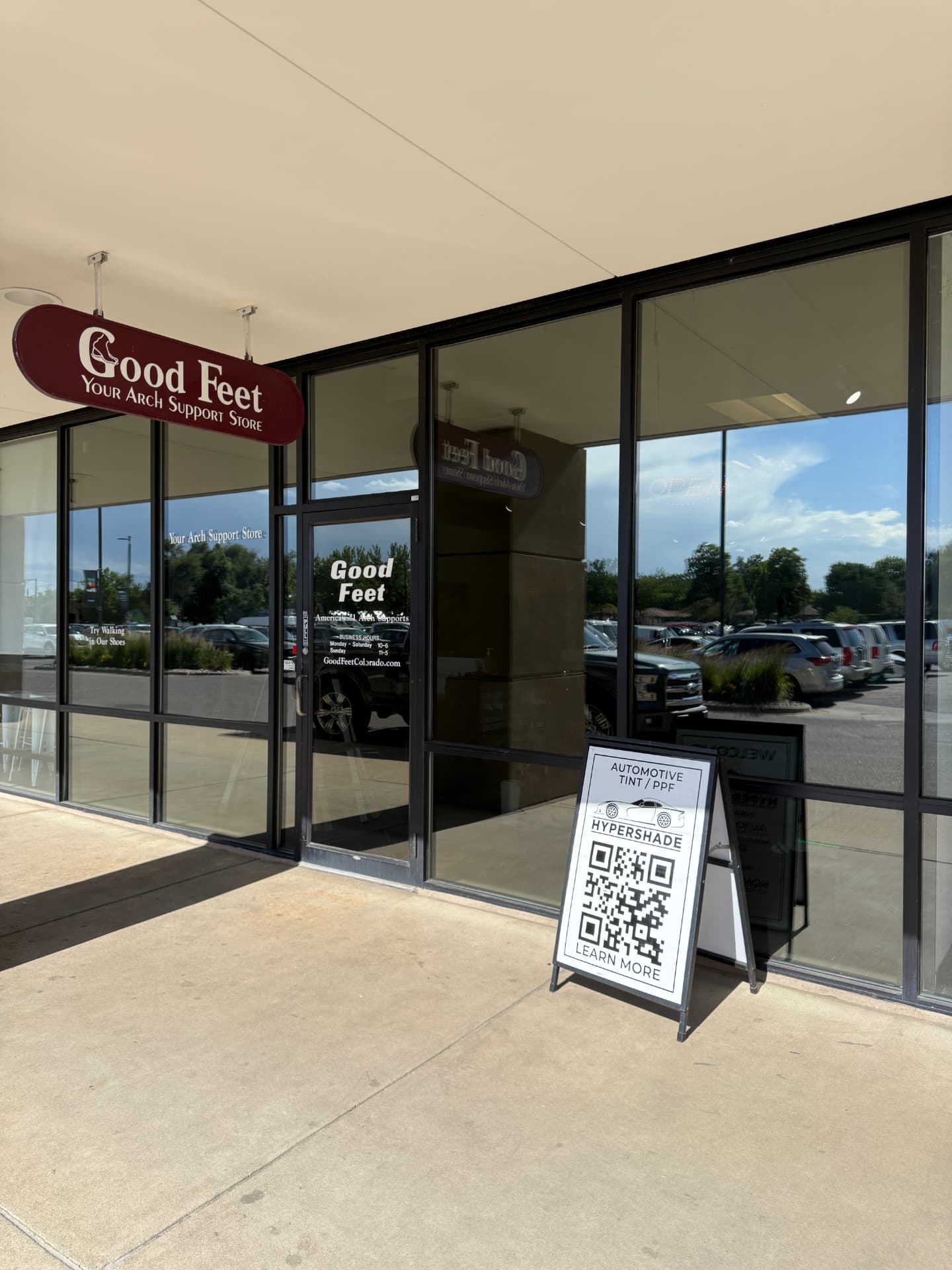
Retail storefront windows with solar control film and a Hypershade automotive tint sign out front
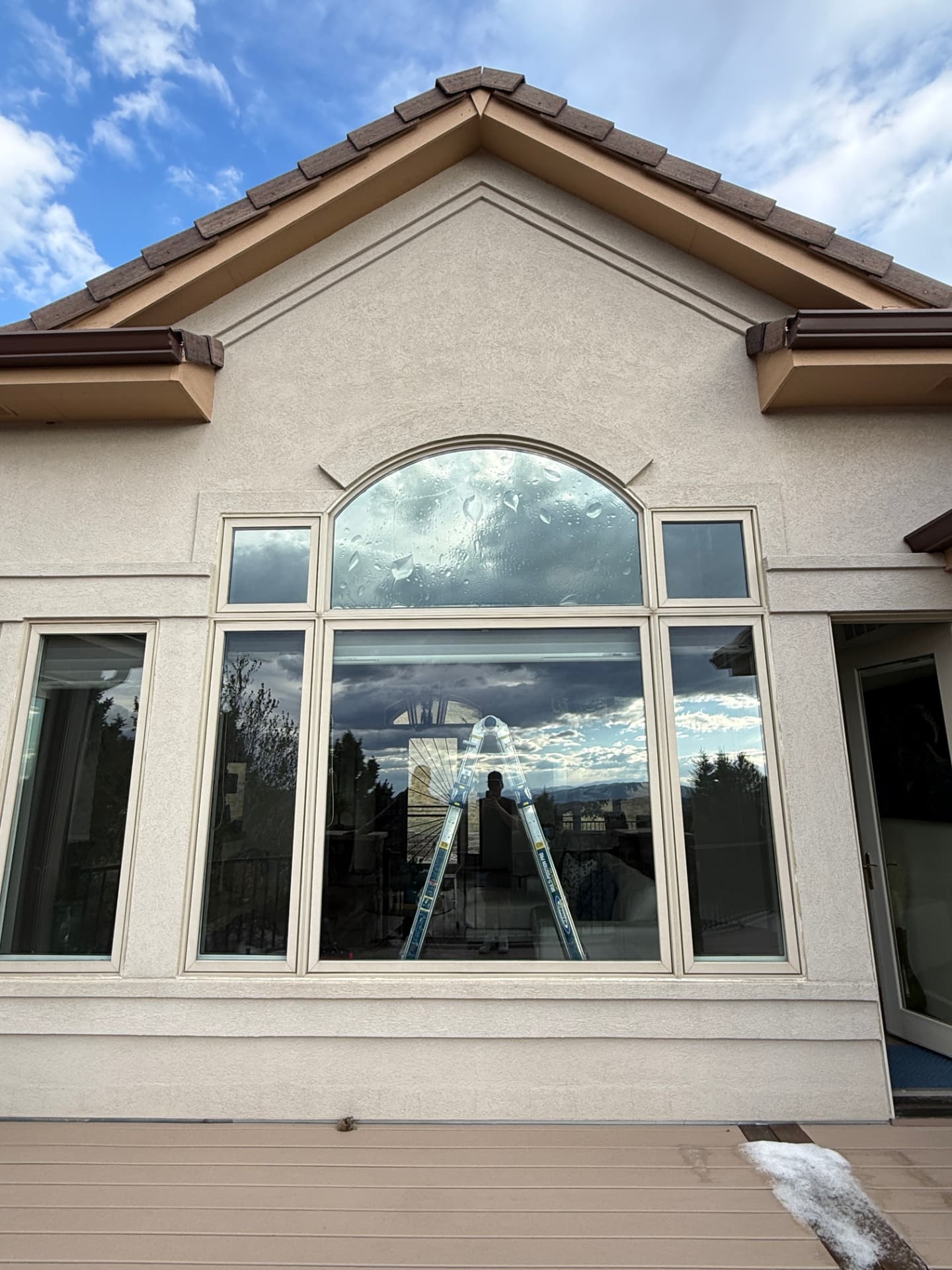
Large arched front-elevation window on a Castle Rock home during a residential window film install
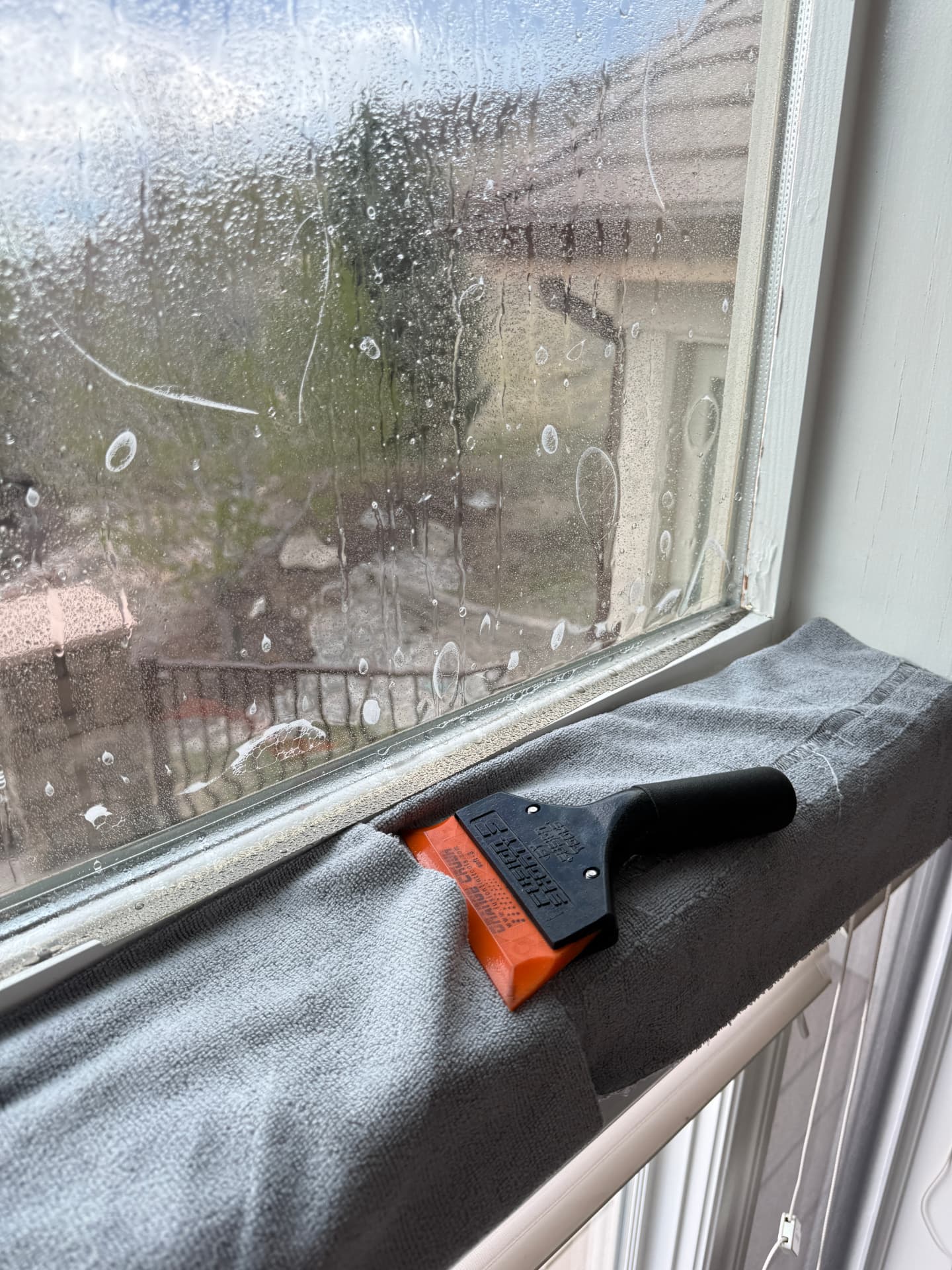
Close-up of a squeegee and freshly wet-applied window film on a residential window

How it works

Four Steps, Start To Finish

  1. 01

    Request Your Quote

    Tell us the vehicle or space you want protected.

  2. 02

    Get Your Recommendation

    We recommend the right ceramic film for your goals.

  3. 03

    Professional Installation

    Precise work in a dedicated, controlled shop bay — or on site at your home or building.

  4. 04

    Enjoy The Results

    Cooler, clearer, more private — backed for life.

Social proof

Trusted by Colorado
Drivers & Homeowners

Our reputation is built one install at a time — and it lives publicly on our Google Business Profile. Read what Castle Rock and Parker customers say in their own words.

4.9

out of 5 on Google

We only publish real, verified customer feedback. Every review sits on our live Google listing — nothing rewritten, nothing invented.

Read Our Reviews

Questions

Home Window Film Answers

Does residential window film reduce heat?

Yes. Solar control window film rejects a large share of the solar energy coming through glass, which is why a filmed west-facing room feels noticeably cooler in the afternoon. The effect is biggest on rooms with lots of glass and direct sun, and it works alongside your HVAC rather than replacing it.

Does window film block UV rays?

Yes — the films we install block 99% of UV. UV is the single largest driver of fading in floors, rugs, furniture, and artwork, so blocking it is the most direct way to protect an interior that gets strong Colorado sun.

Can window film protect furniture and flooring from fading?

It slows fading significantly. Fading is caused mostly by UV, plus visible light and heat, and film addresses all three to different degrees. No film stops fading completely, but it meaningfully extends the life of hardwood, rugs, leather, and art near big windows.

Does residential window film provide privacy?

Yes, during the day. Reflective and darker films make it hard to see in from outside while you still see out. At night the effect reverses when interior lights are on, so for round-the-clock privacy — bathrooms, sidelights, entry glass — frosted or decorative film is the right choice.

Can window film be installed on large windows and glass walls?

Yes. Floor-to-ceiling glass, two-story great room windows, arched front elevations, patio sliders, and sunrooms are common jobs for us. Large glass is where film delivers the most comfort improvement because there's more heat and UV to control.

Can window film be installed on dual-pane windows?

In most cases, yes — the majority of modern Colorado homes have dual-pane glass and we film them regularly. Film choice matters here: we select a film appropriate for the glass type and orientation so the installation is safe for the window unit.

How long does home window film last?

Quality residential film is a long-term improvement to the house, not a short-term fix, and our installations carry a lifetime warranty. Lifespan depends on the film, the glass, and sun exposure — we'll tell you what to expect for your specific windows before you book.

Is home window film better than blinds?

They solve different problems. Blinds block the view along with the sun; film treats the glass so you keep the view and the daylight while cutting heat, glare, and UV. Many homeowners use both — film for constant heat and UV control, blinds for full blackout.

Finished vehicle with ceramic tint leaving the Hypershade shop at golden hour

Castle Rock, Colorado

Make That Hot Room Usable Again

Tell us which windows give you trouble and we'll recommend the right film. Estimates are free.

CallBookQuote